Blog6 min read
The rise of niche bio pages: what creators are doing differently in 2025
Creators are building narrower, more personal link-in-bio pages. Here is what changed and why it works.

Hana
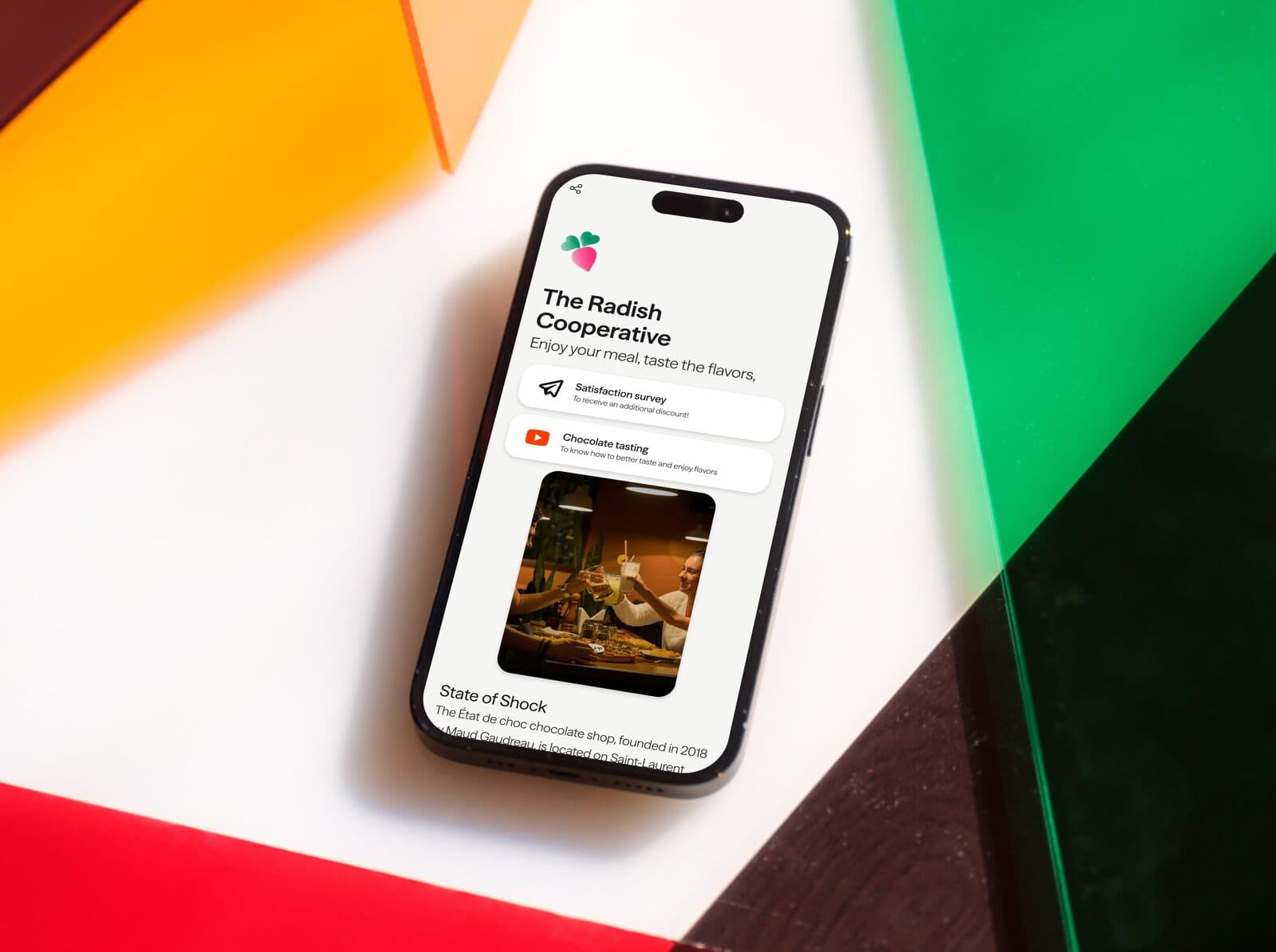
A few years ago, link-in-bio pages were functional at best. You'd tap the link and get a list: your latest video, your merch store, maybe a newsletter or two. Nothing wrong with that, but nobody remembered it.
In 2025, that's changed.
Link-in-bio pages now look more like small, styled homes for creators, reflecting their brand, their vibe and their goals. A lot of that change comes from niche creators.
You don't need millions of followers to build an audience that cares any more. You need to be clear about who you're for, and a link that actually works for you.
Here's how creators are doing it, and why niche bio pages are catching on.
So what is a niche bio page?
It isn't about being obscure. It's about being specific.
A niche bio page is built for a particular audience and goal. Instead of cramming in 20 links and hoping someone clicks one, creators use the page to tell a short story and point visitors toward a clear next step.
For example:
- A vegan recipe creator with a link page divided by meal type (Breakfasts / Meal Prep / Desserts), linking to eBooks, reels and her affiliate air fryer on Amazon.
- A photographer who shows her gallery, takes bookings via Calendly and sells mobile Lightroom presets, all on one scrollable page.
- A tarot reader who embeds her YouTube videos, syncs her booking calendar and sells a "Pick-a-Card" audio reading as a paid digital download.
What you link to matters, but so does how the whole page feels to a visitor.
Try this: Explore a few real Linky pages in our gallery →
Why niche is working in 2025 (and why big isn't always better)
The creator economy rewards connection more than scale now.
That shift started years ago with micro- and nano-influencers. What's new is niche creators outperforming generalists on engagement, community loyalty and even revenue.
A study by ConvertKit found that the creators earning the most per follower often had smaller, more focused audiences. SignalFire's creator economy map shows a related trend: creators aren't only entertainers or influencers. They're educators, coaches, artists, healers, developers and niche community builders.
For those creators, the bio page does a lot of jobs at once. It's a storefront, a newsletter signup, a content archive and a personal FAQ.
From link list to creator command center
So what's actually changing inside these pages?
1. Built-in tools for real workflows
Creators aren't just redirecting people. They're embedding the tools they work with:
- Calendly for scheduling
- Ko-fi or Buy Me a Coffee for tips
- Gumroad or Lemon Squeezy for digital products
- YouTube and TikTok embeds
- Notion pages for resumes, course outlines or reading lists
Tools like Linky let you do all of this without code, clunky plugins or jumping between tabs.
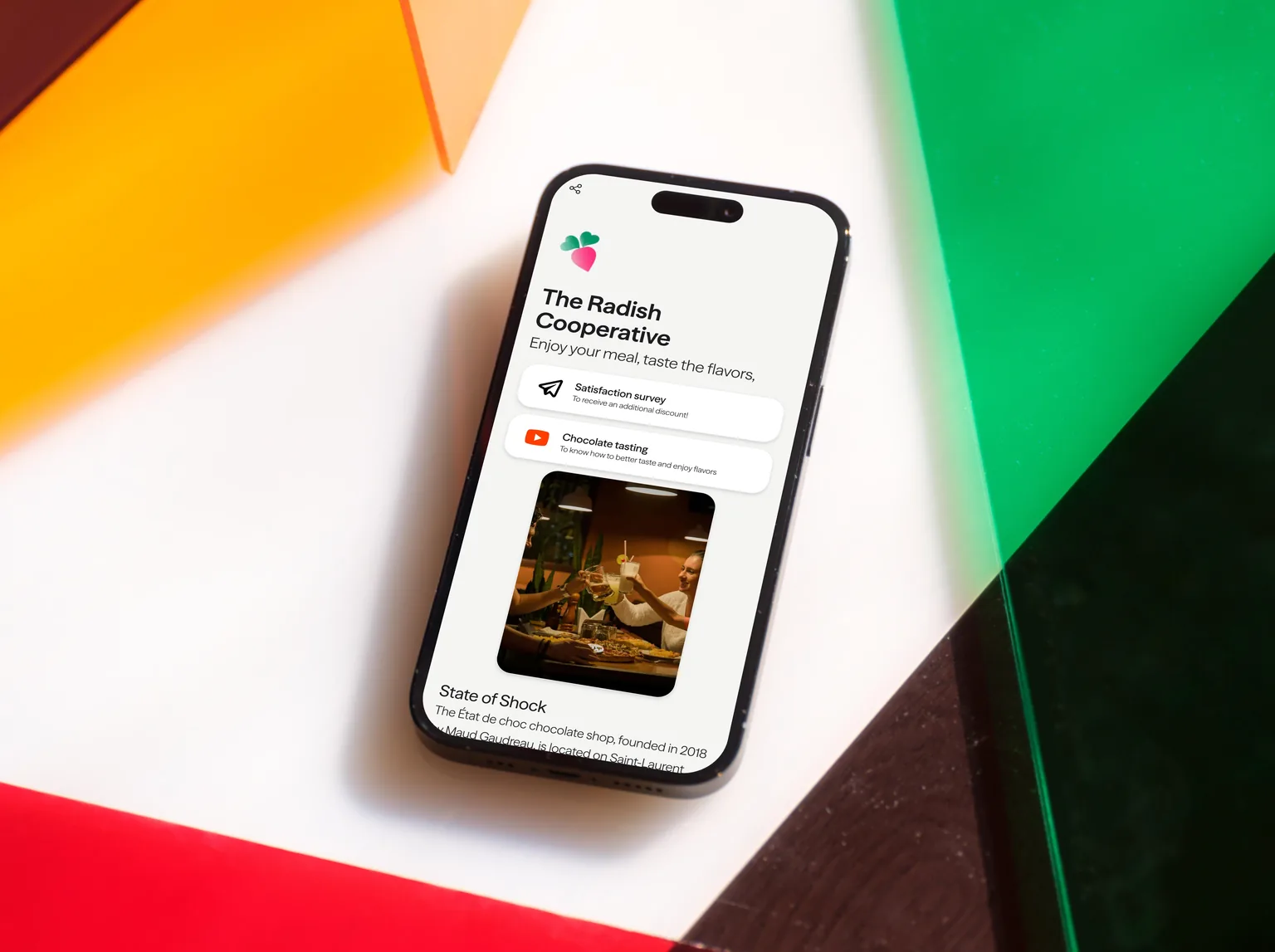
Example: @radishresearch uses Linky to show their latest photos, collect customer satisfaction responses and post updates, without needing to refresh a full site every week.
2. Monetization that feels native
Creators are putting income streams inside the link page itself:
- Pay-to-unlock downloads (like guidebooks or Lightroom presets)
- Affiliate links with previews and styled product cards
- Patreon-style memberships with a sneak peek of what's inside
- Tip jars that don't feel like an awkward ask
The aim is to make support easy. A fan who lands on your page shouldn't have to hunt for a way to support you. Ideally it's something they enjoy doing.
With platforms like Lemon8 and Stan Store focusing on curated commerce, more creators are treating the link page as their shop window.
The vibe shift: aesthetics, identity and micro-branding
Looks do matter.
Creators are treating their bio pages like visual portfolios, where fonts, color palettes, icons and spacing all shape how people see the brand. Hyper-specific internet aesthetics (clean girl, glitchcore, corporate bimbo, tradwife, minimal dad and so on) have made their way onto link pages too.
With Linky, you can style the page however you like, using one of the pre-made themes or building your own, without touching any code.
That said, the best pages aren't always the prettiest. They're the ones that feel like the person behind them. If yours is a little messy or breaks the grid, that's fine. People want real more than they want perfect.
Bio pages as boundaries (and sanity-savers)
You know the DMs that start with "Hey, quick question!" and turn out not to be quick at all?
Creators juggling several roles are using bio pages to set boundaries. When the page spells out services, availability and rates, or links to a "Read This First" FAQ, expectations are set before anyone has to have an awkward conversation.
Some creators even use the page to say what they don't do:
- "I don't offer free edits."
- "I no longer accept custom work."
- "My books are closed until June 2025."
It's a kind, clear way to say no, and it saves everyone time.
Adapting to the feed: why platform context matters
Say you post a TikTok about your book recommendations. When someone taps your bio link, the first thing they see should be your book list.
Creators are adjusting their bio pages for each platform:
- TikTok traffic: prioritize short-form content or impulse-buy links.
- Instagram audience: focus on curated visuals, carousels and affiliate recs.
- Twitter/X followers: they want long-form essays, podcasts and spicy takes.
Tools like Linky let you set up conditional displays or platform-aware previews, so the page fits where the visitor came from.
Tip: Embed a short Loom or TikTok at the top of your page to guide new visitors. It boosts engagement by over 2x.
Quirk is the new currency
We've noticed something internally at Linky: some of the most successful pages, measured by time on page, click-through and fan conversion, are a little weird. For example:
- A poet who lets you choose your "emotional theme of the day" and get a random poem
- A language coach who offers free downloadable flashcards if you can solve a riddle
- A ceramicist who embeds a live stream of their studio cat while you browse
For these creators, personality is a big part of what people come for.
The future of link-in-bio is already here
This is a change in how creators think, as much as a design trend. More and more of them are deciding they don't need a big site or a full e-commerce flow. They just want a space that feels like theirs, and the tools can finally support that.
Whether you're managing a creative career, a side hustle or a full indie brand, your link page can draw people in as well as send them elsewhere.
Resources and inspiration
- Linky feature overview: see what's possible
- Real Linky pages: browse creator examples
- ConvertKit Creator Economy Report (2024)
- SignalFire's Creator Economy Landscape
Final thought: small can be mighty
You don't need a big team, a huge audience or even a website. You need a niche, a voice, and a page that sounds like you and makes it easy for your people to find you, support you and stick around.
Want to try building your niche bio page? Get started free with Linky. No credit card needed.